


What Every Aspiring Director Needs to Know
Directing isn’t just about calling “action” on set. It’s about storytelling, leadership, and understanding both the technical and emotional aspects of filmmaking. If you want to become a director, there are things you need to learn, practice, and experience before you can take on the bigger projects.
Here’s what aspiring directors should focus on:
1. Learn to Speak the Actor’s Language
Actors are the heart of every film, and understanding them will make you a better director. Take acting classes, even just for a few months. You’ll learn how to give directions that actors actually understand, how to get authentic performances, and how to communicate clearly on set. Stepping into the acting role will gve you the perspective you need to better communicate with your cast. Being on the other side will give you a taste their experience and learn how you like to be spoken to as an actor.

2. Study Lenses and Cinematic Psychology
The choice of lens affects how an audience feels. A wide-angle lens can make a scene feel open and vulnerable; a tight close-up can make it feel intimate or claustrophobic. Learn lens sizes, camera angles, and framing, and understand how they influence audience emotions. You can get deeper into the audience mind with understand what your equipment can do and what it’s symbolizes.

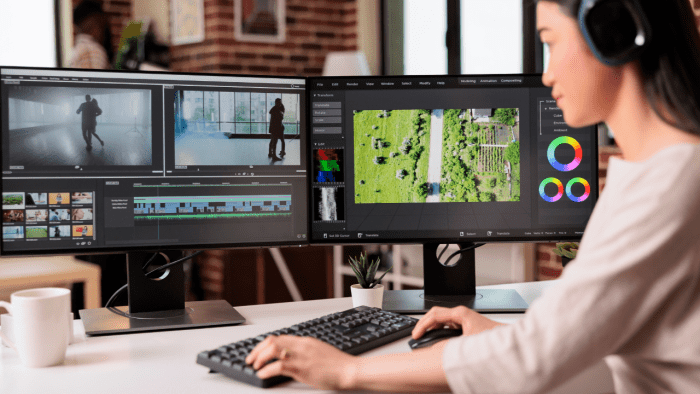
3. Learn to Edit
Directing isn’t just about shooting; it’s about visualizing the final film. Editing will lead you to be a more decisive director. Learning to edit helps you understand pacing, rhythm, and story structure. It also helps you plan shots more effectively because you’ll know what will work in the cut. You won’t overshoot, or undershoot costing you more time and money having to reshoot scenes.
4. Watch Movies (A Lot of Them)
Study classics, contemporary films, and international cinema. Watch with intention, notice framing, performance, pacing, and storytelling choices. Ask yourself: why did the director make that choice, and how did it impact me as a viewer? Learn from the greats, the indie directors, and watch their first films down to their most recent. you’ll see styles, and themes that appear in their movies.

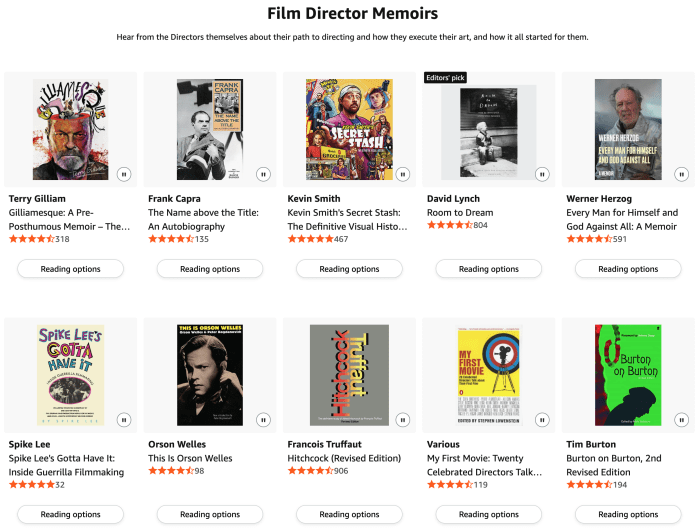
5. Read About Directors and Their Methods
Books, interviews, and essays by directors can give you insight into different creative processes. And they’re all different. Studying the methods of great filmmakers helps you develop your own approach and understand that there’s no single “right” way to direct. I highly recommend these books!
6. Make Short Films
Please make a bunch of short films – Please! The best way to learn directing is to do it. Start small with short films, music videos, or web sketches. You’ll learn how to organize a set, work with actors, make creative decisions, and see a project through from idea to finished product. Every short film you make hones your craft and adds to your directing portfolio. This will prepare you for bigger and bigger budgets, crews, and projects with bigger stars.
7. Work as a PA on Set
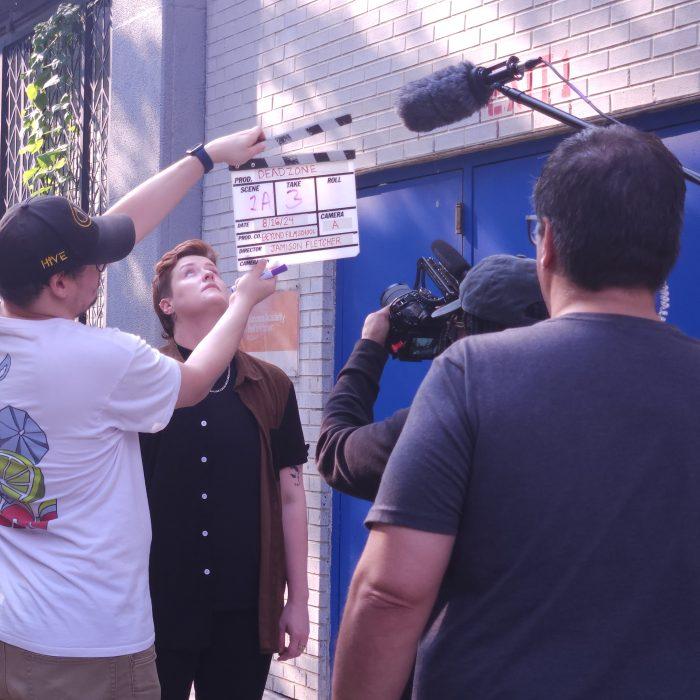
Being a Production Assistant (PA) may feel far from directing, but it’s a crash course in how film sets function. You’ll observe professionals, understand workflow, and see firsthand how directors, ADs, and crew collaborate to get a shoot done. This knowledge is invaluable when it’s your turn to call “action.” You should want to see all the positions in action so you can understand how they work, and how to communicate with each position. There are a lot of directors that are very timid around crew – don’t be that director.

8. Live Life
Directors need to understand people, emotions, and the human experiences. Travel, meet new people, take risks, and live fully. Feel pain, embarrassment, heartbreak, joy, gratitude, grief. The more you experience life, the more truth you can bring to your storytelling. Real emotion on screen comes from real emotion in life. Stories come from life so live it.

Becoming a director isn’t about waiting for an opportunity, it’s about preparing yourself to take one. Study, practice, observe, and experience. Learn both the technical and emotional sides of filmmaking. Make films, even small ones, and keep learning from every shoot.
When you invest in yourself and your craft, opportunities will follow. But first, you have to put in the work.