
How To Build a Film Portfolio When You Have No Credits Yet
How To Build a Film Portfolio When You Have No Credits Yet
Breaking into film is tough enough, but doing it without credits can feel impossible. Everyone keeps saying “build a portfolio,” but no one tells you what that actually looks like when you haven’t been hired yet. Good news: you don’t need big credits, union hours, or studio projects to create a portfolio that gets you noticed. You just need strategy, consistency, and the right elements. Here’s how to build a strong film portfolio from scratch.
Start With What You Can Control: Personal Projects
Your portfolio doesn’t have to be filled with paid gigs. Some of the strongest portfolios come from self-initiated work. Ideas you can shoot on your own or with friends:
-
A short film (2–5 minutes is enough or Micro Short Film)
-
A scene recreation (lighting, acting, or camera practice)
-
A character moment or micro-narrative
-
A montage showcasing locations, lighting setups, or camera movement
-
A mock commercial or product video
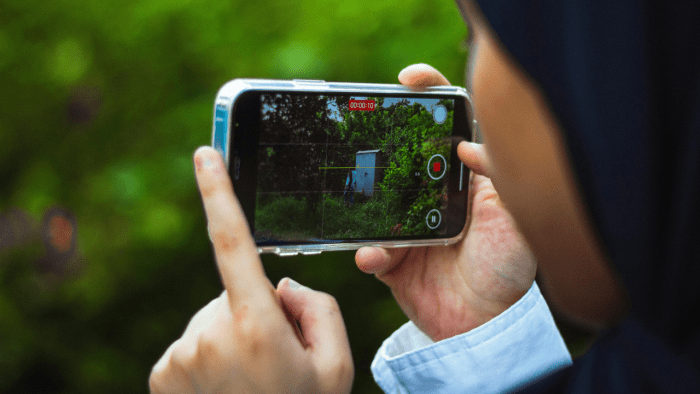
The point isn’t budget, it’s proof of skill. Play with the equipment you have. Use what is already around you and create from that. Use whatever you can to practice and showcase your skills. Start Creating!
Create Role-Specific Portfolio Pieces
Most beginners create a general reel, but hiring managers look for specific roles. Tailor your portfolio depending on the job you want.
If you’re a camera assistant or DP:
-
BTS photos from set
-
Lighting breakdowns
-
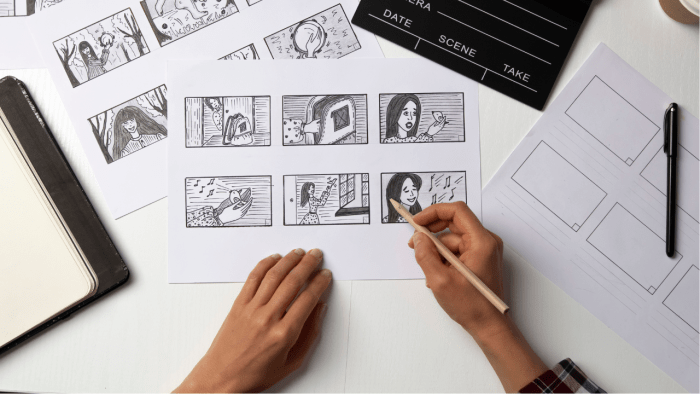
Shot lists and storyboards you executed
-
Test shots and camera/lens comparisons
If you’re a Sound Mixer or Boom Op:
-
Clean audio samples of you practicing your craft with friends, or freebie gigs you jumped on
-
Short clips before/after mixing
-
Photos of organized sound setups
-
A short explanation of your workflow
If you’re a Production Designer:
-
Mood boards
-
Color palettes
-
Sketches with final results
-
Prop builds or set dressing examples.
If You’re an Editor or Post-Production Artist:
-
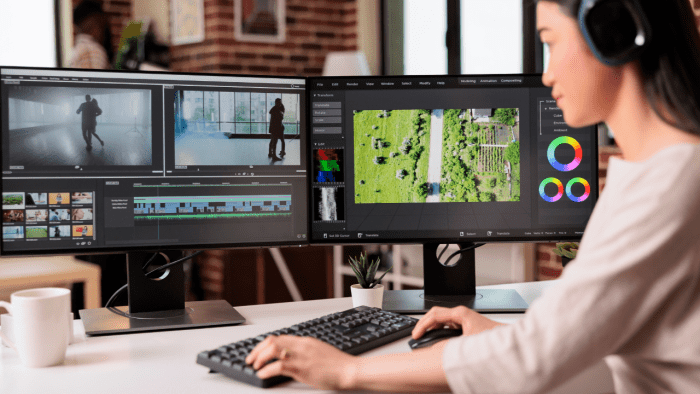
Edited montage sequences (using royalty-free footage)
-
Before/after cuts showing how you improved pacing, color, or audio
-
A short scene you cut yourself from publicly available practice footage
-
Your color grading samples (split-screen works great)
-
Motion graphics intros, titles, or lower-thirds
-
Sound design samples showing atmo, foley, and effects
-
Workflow screenshots that show organization, bins, timelines, and naming systems
-
A short breakdown video explaining your editing choices or storytelling approach
-
Social media-style edits (trailers, teasers, TikTok/Reels–style pieces)
Use Behind-the-Scenes Content as Portfolio Gold
This is one of the easiest ways to build a portfolio early on, even on unpaid or student sets. Capture:
-
You setting up gear
-
The equipment you’re working with
-
Problem-solving moments
-
You collaborating with others
-
Organizational skills (truck packs, prop layouts, sound kit setups, shot list organization)
BTS shows how you work, that you’ve been on set, and that you understand structure and etiquette. It also builds trust, which matters more than credits early on.
Borrow Other Creators’ Projects (With Permission)
If you helped even just a little on someone’s short film, ask if you can:
-
Use a clip
-
Use a still
-
Share BTS
-
Add the project title to your portfolio. Even if you only did sound for one scene or helped PA for a day, it still counts.
Build a Portfolio Website (It Doesn’t Need to Be Fancy)
Keep it simple, clean and straightforward wins every time. Your portfolio should include:
-
A short intro about you
-
Your best 3–5 pieces of work
-
BTS photos that prove experience
-
A downloadable resume
-
Your contact info
-
The roles you want to work in
Easy beginner platforms: Wix, Squarespace, Canva, Adobe Portfolio. No clutter. No 20-minute reels. No soundtrack-heavy montages that hide the work.

Curate, Don’t Dump
The biggest mistake beginners make is throwing every project they’ve ever touched into their portfolio. Your portfolio should be short, focused, relevant, and easy to understand. Aim for 3–6 solid pieces, even if they’re self-made. Try not to overwhelm your viewers.
Update It Every. Time. You. Work.
How To Build a Film Portfolio? Update it! Every new short film, PA gig, lighting test, BTS moment, film challenge, or passion project is an opportunity to add to your portfolio. Your first portfolio won’t be perfect. It just needs to exist, and grow. But also keep in mind to take things down as you improve your skills.
Final Thought: A Portfolio Isn’t About Credits, It’s About Proof
Your portfolio is simply: “Here’s what I can do, and here’s how I work.” You don’t need credits to show that. You need examples, effort, consistency, and the willingness to build before you’re hired. Start now. Add as you grow. Your portfolio will speak louder than your resume.
Start thinking about how to take things into your own hands and create your own opportunities, and that starts working with what you have, creating, and telling people about it.