


Finding Your Way as a Director: Tips for Beginners
Many aspiring filmmakers look at famous directors and think, “They just call ‘action’ and the camera does all the work.” The truth is, directing is far more complex, and far less glamorous, than most people realize.
At its core, a director’s main job is to tell a story visually and emotionally, guiding every creative decision so that the final product reflects a clear vision. That means managing performances, pacing, visuals, and the overall tone of the piece.
What a Director Really Does
A director’s role can be summarized in three key responsibilities:
-
Vision and Storytelling – Directors take the script or concept and transform it into a living, breathing story. They decide tone, style, pacing, and how each scene serves the overall narrative.
-
Working with Actors – Perhaps the most critical skill. Directors guide performances to ensure characters feel authentic and compelling. You can have the perfect camera angles, but if the performance doesn’t connect, the story falls flat.
-
Collaborating with the Crew – Directors work with cinematographers, editors, production designers, and other departments to ensure everything aligns with the story. From lighting to sound to post-production, every choice matters.
Big mistake many beginners make: they focus too much on the camera. It’s understandable—it feels more tangible and technical. But no matter how beautiful a shot is, the heart of filmmaking is performance. Learning to work with actors should be a priority.

Directors Often Specialize, But Can Cross Over
Many directors develop a preferred medium or genre early in their careers:
-
Feature Film Directors – Often choose a genre they love, like drama, horror, or comedy.
-
Commercial Directors – Focus on ads and short-form storytelling, often highly visual.
-
Music Video Directors – Experiment with style, mood, and performance, using music to drive the narrative.
-
Television Directors – Work within existing worlds, maintaining consistency with showrunners’ vision.
-
Specialized Formats – Documentaries, animation, VR, experimental films.
Just because a director specializes in one medium doesn’t mean they can’t cross over to others. Many successful directors have worked across film, TV, commercials, and music videos. But early in your career, finding your niche helps you focus, build expertise, and develop a portfolio.
It Takes Time
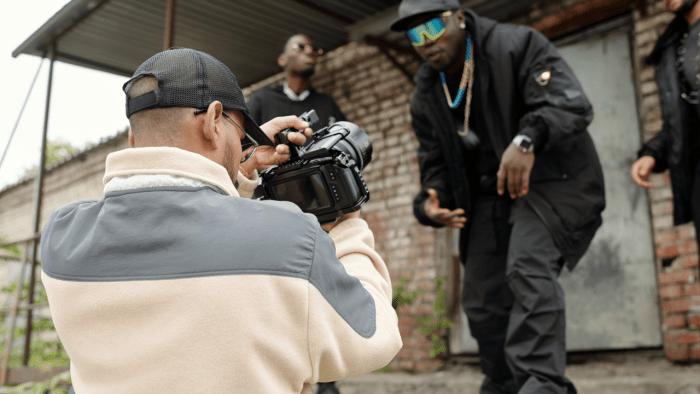
Finding your specialty as a director doesn’t happen overnight. It takes time, practice, and experimenting with different types of projects. You might try shooting a short drama one week, a music video the next, or even direct a small commercial. Each experience teaches you something new about your strengths, preferences, and creative voice. The more you explore, the clearer your niche—or combination of niches—becomes. Don’t worry if it takes a while; even the most established directors didn’t figure out their specialty immediately.
How Genre and Medium Influence Your Work
Your preferred medium and genre shape your voice, storytelling style, and the audience you reach. Feature film directors often gravitate toward specific genres, while commercial or music video directors may focus on certain styles, aesthetics, or clients. Understanding your strengths and interests helps you make strategic choices as you build experience.
Bottom Line
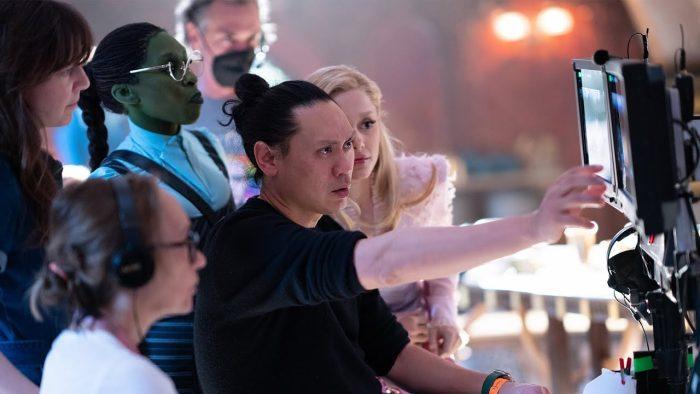
Directing isn’t just about cameras or technical tricks, it’s about storytelling, guiding performance, and unifying a creative team. Don’t make the common beginner mistake of prioritizing technical shots over actors’ performances. Find your medium, understand your genre, and focus on what really matters: telling a story that resonates.
Remember: every director starts somewhere, and every choice you make, from the performances you shape to the shots you design, teaches you how to lead, create, and eventually, direct bigger projects.
If you want to avoid some mistakes of first time director I have the perfect post for you here and if you’d like to check out the video that’s here for you.