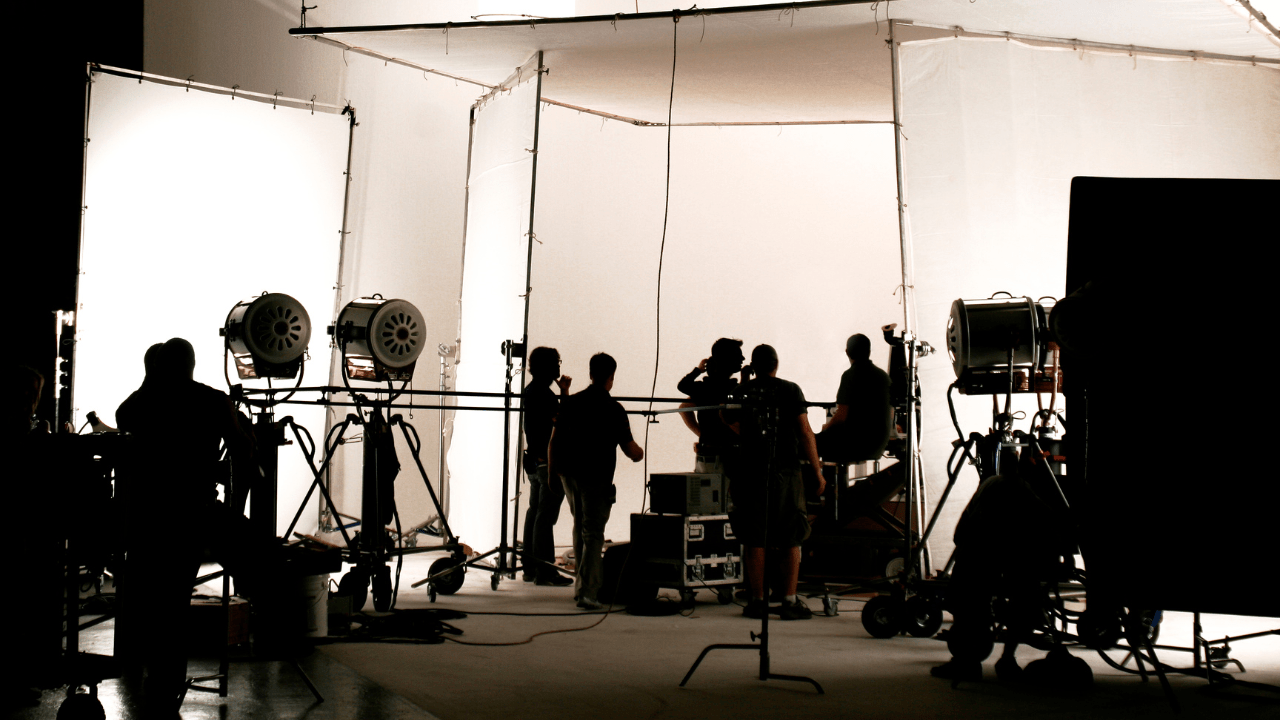

Film Set Language Every Beginner Should Know (So You Don’t Feel Lost on Day One)
Film Set Language You Should Know Before Stepping on Set
If you’ve spent any time on a film set, you’ve probably caught pieces of conversations that sound something like:
“Copy.”
“Lock it up.”
“Going again.”
“Check the gate.”
Everyone moves like it’s second nature and no one stops to explain it. That’s because film set language isn’t something people formally teach on the job. It’s picked up in real time, often under pressure. You’re not expected to know everything. But you are expected to start recognizing it quickly.
This is the language that keeps a set moving. And once you understand it, you stop reacting late and start anticipating what’s happening next.
Why Film Set Language Matters
On set, communication is short, specific, and constant.
There’s no room for long explanations when a camera is rolling, actors are waiting, or a location is on the clock. Oh and don’t forget that sun when you’re shooting exteriors, and it’s going down!
Understanding film set language helps you:
- stay in sync with the crew
- respond faster to direction
- avoid common (and very visible/painful) mistakes
It’s one of the fastest ways to go from “new green Set PA” to “someone the Crew trusts.”
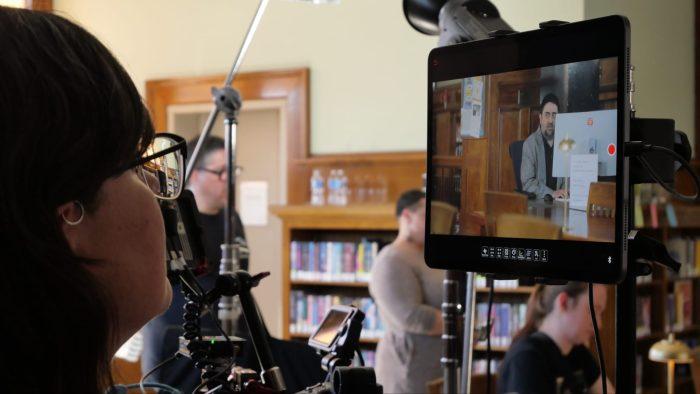
Core Film Set Language You’ll Hear Constantly:
These are the terms that come up on almost every shoot, especially over walkies.
Copy
You’ll hear this all day. It simply means the message was received and understood, not agreement, just acknowledgment. This is not to be used as a “yes” or “No” answer.
10-1
Standard shorthand for stepping away to the bathroom. Quick, clear, no explanation needed.
Lock It Up
Everything stops, movement, talking, background noise. This is your cue that a take is about to happen, and we’re going to roll.
Company’s In/Company’s Back in
We are officially starting the day.
Calling It Out / Echoing
This is a Set PA repeating what the ADs say on the Walkie. Instructions get repeated down the line so the entire crew hears them. If you don’t call it out, you’re breaking the chain of communication on set.
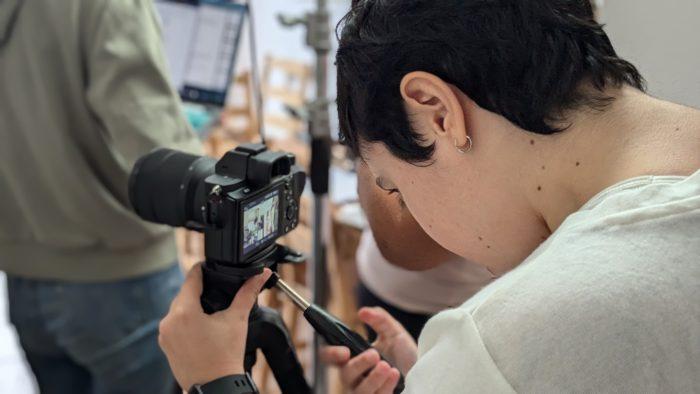
Camera & Rolling:
This is where timing matters most. These calls signal that filming is actively happening.
Picture’s Up / This Is Picture
We have frame, everything is set and ready and we’re about to shoot.
Last Looks
Hair, makeup, and wardrobe make final adjustments on our actors before camera rolls.
Rolling
Camera is recording.
Speeding
Sound is recording
Cut
The take is complete.
Still Rolling
The camera hasn’t cut, resetting to the beginning of he scene is happening immediately for another take.
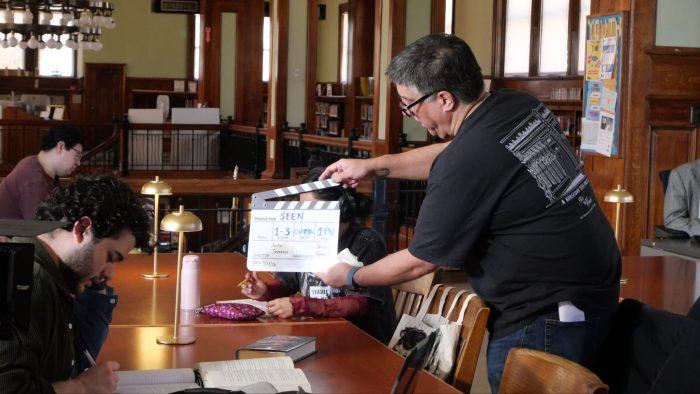
Film Set Language for Movement & Workflow:
These terms tell you what’s happening next, before it happens.
Moving On / New Deal
The shot is complete. We’re moving on to the next shot, camera angle, or scene.
Turning Around
The camera is flipping direction to shoot the opposite angle.
Company Move
The entire production is relocating to a new location, including the the trucks that moves the gear. Gear gets loaded to the trucks, and the truck move to the next location.
Push Move
A smaller move gear is physically pushed nearby without loading trucks. Could be around the corner, or down a few houses or blocks.
Set Awareness Terms You’re Expected to Know:
These are less about action and more about awareness.
Set
Where filming is actively happening.
Hot Set
Everything in the frame has been intentionally placed. Nothing gets touched unless you’re told.
Lock-Up
The Set PA responsibility keeping people, noise, and anything unwanted out of frame. Your “lock-up” is your task that you received from the Key PA or AD to protect what’s happening on camera.

Walkie & Equipment:
You don’t need to be in a technical department to know these Set PAs use them constantly.
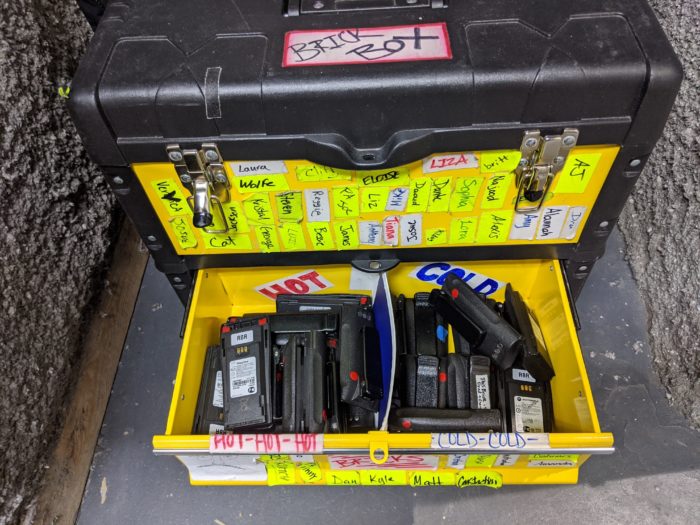
Brick / Hot / Cold
Refers to walkie batteries.
- Hot = fully charged
- Cold = dead
Brick Box
Where walkies, batteries, and accessories are stored and managed.
Time & Schedule:
Film sets run on tight schedules, and these terms keep everyone aligned.
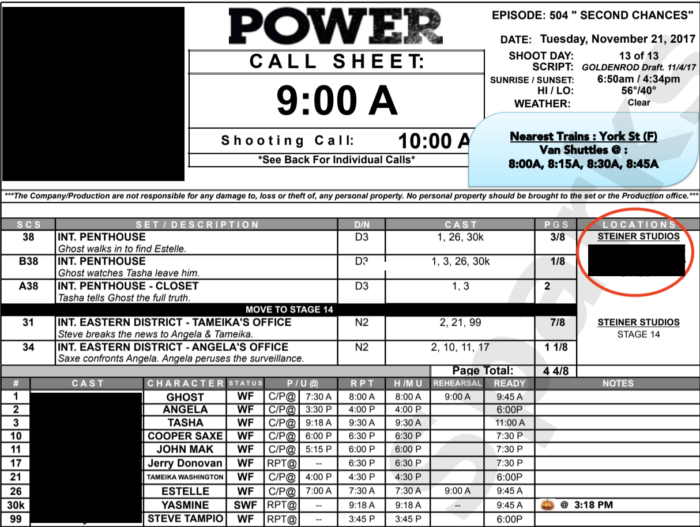
Callsheet
The daily document outlining what’s being shot, where, and with who. You’ll be referencing this constantly.
Sides
The script pages being shot that day.
Start Work
Your onboarding paperwork for the job—this is what ensures you get paid.
Back In Time
Indicates the crew is back from lunch and work is resuming.
Out Time
The moment you’re officially done for the day.
End-of-Day Film Set Language
These are some of the more subtle terms you’ll pick up as the day wraps.
Martini
Last shot of the day.
Abbey
Second-to-last shot of the day.
Wrap
You’re done working for the day.
Goodnight
A softer way to say someone is wrapped, without formally calling “wrap.” It’s a way to avoid confusion to make it’s not mistaken for calling wrap for the whole set.
Who’s Who on Set (Abbreviations You’ll Hear)
Film set language isn’t just commands—it’s also shorthand for departments and roles.
- AD – Assistant Director
- DP – Director of Photography
- AC – Assistant Camera
- HMU – Hair & Makeup
- EP – Executive Producer
- Set Dec/Dex – Set Decoration
You’ll also hear:
- 1st Team – The actors
- 2nd Team – Stand-ins
- BG – Background actors
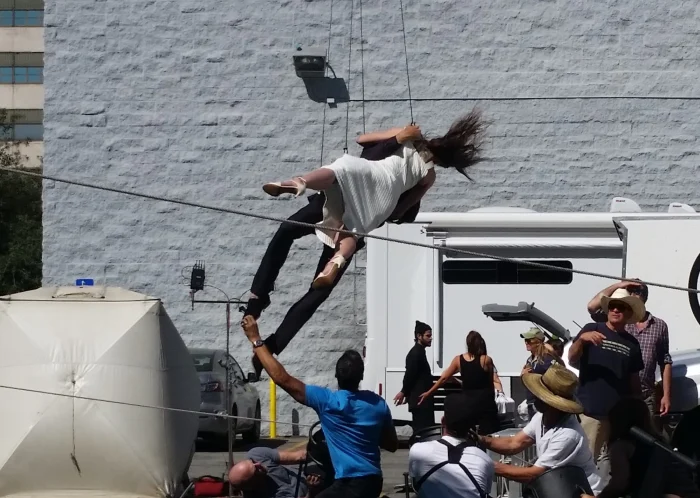
- Stunties – Stunt performers
Final Thoughts
You don’t need to memorize every piece of film set language before your next job. With every set you’ll recognize more, and more and start hearing more, and more film lingo. Then it becomes second nature.
But being familiar with it changes how you show up. Getting these basic terms down will help build your confidence because you’ll know what folks on set are talking about. You’re “In the know” so to speak.
You’ll move faster.
You’ll hesitate less.
And you’ll blend into the workflow instead of feeling outside of it.
That’s what people notice on set, and when you get noticed for good work, you get hired more. And that’s what I want for you.