

Behind the Departments: What Every Film Crew Actually Does
Behind the Departments: What Every Film Crew Actually Does
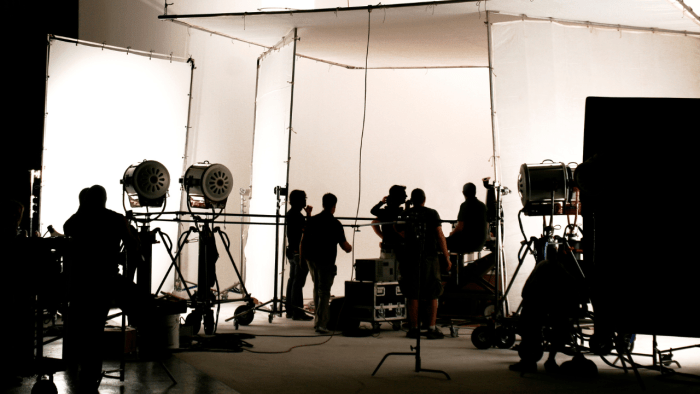
When you first step onto a film set, it can feel like you’ve entered a small city with its own language and structure. Every crew member is part of a finely tuned system designed to bring a story to life. Whether you’re brand-new to the industry or want to understand how all the moving parts fit together, here’s a clear look at who does what on a film set.
Director & Writer (Not Exactly “Departments”… But Essential)
While the director and writer aren’t considered formal “departments,” they are the creative anchor of the entire production. The writer crafts the blueprint, the script. The director visually interprets that blueprint, shaping performances, the look, the pacing, and the emotional experience. Every department on set ultimately supports the director’s vision, but they themselves do not “belong” to a single department.
Production Department
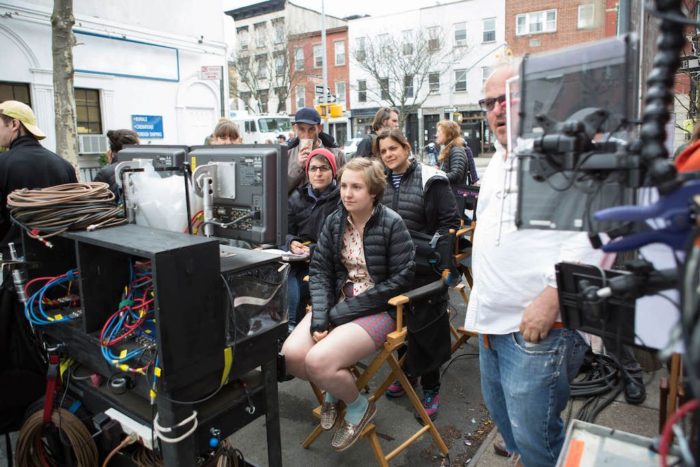
The production department is the engine of the shoot. They keep everything organized, scheduled, and running smoothly. They’re responsible for logistics, communication, paperwork, and solving problems before anyone else notices them. From call sheets to travel to getting approvals from location owners, this team makes sure everyone has what they need to actually film.
Roles Include:
-
Producers – Oversee the big picture from development to distribution.
-
Production Manager – Manages the budget, scheduling, hiring, and logistics.
-
Assistant Directors – Run the daily set operations, safety, and timing. (Technically they have their own department, but are considered to be in this one)
-
Production Assistants – Support all the moving parts of set and office tasks.
Production Office
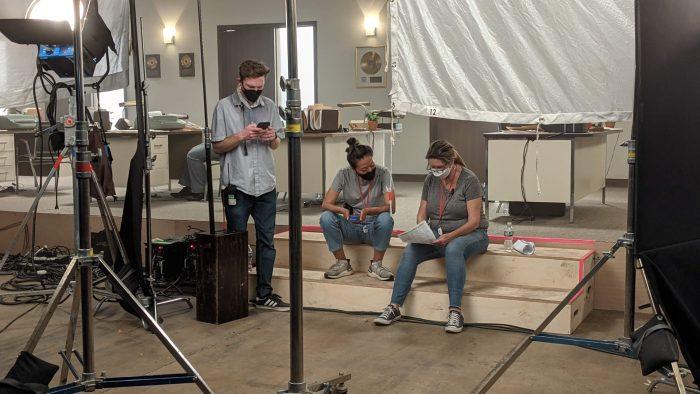
This is the administrative heartbeat of a show. While the set is filming, the production office handles communication, crew paperwork, travel, permits, vendor orders, and every logistical detail in between. They make sure the set stays functional by coordinating with all departments behind the scenes.
Accounting Department
Accounting ensures the production stays financially healthy. They track spending, process payroll, manage petty cash, handle invoices, and make sure the project stays on budget. Their accuracy literally keeps a show funded and shooting.
Casting Department
Casting finds the actors who bring the script’s characters to life. They hold auditions, manage submissions, negotiate talent deals, and help match the director’s vision with the right performers. They also work closely with production and legal to clear contracts and availability.
Cast
The cast includes all principal actors — the faces you see on screen. They rehearse, collaborate with the director, perform scenes, and work closely with hair, makeup, and wardrobe to bring characters to life.

Background Actors & Stand-Ins
Background actors (extras) populate the world of the film, restaurant patrons, crowds, pedestrians, party guests. Stand-ins replace actors during lighting and camera setup to ensure consistent framing and lighting without taking the principal cast away from prep.
Cinematography / Camera Department
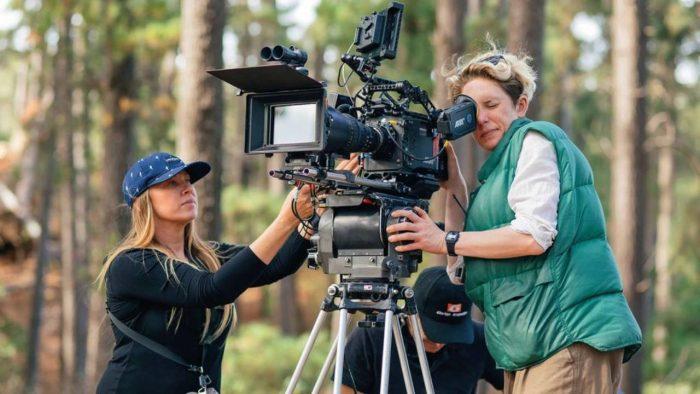
Led by the Director of Photography (DP), this team creates the visual language of the film. They choose the camera, lenses, lighting approach, and composition. They are responsible for how the movie looks.
Roles Include:
-
Director of Photography – Head of visual approach.
-
Camera Operators – Physically operate the camera.
-
1st & 2nd AC – Handle lenses, focus, camera builds, slate, and media.
-
DIT – Manages footage, color, and digital workflows.
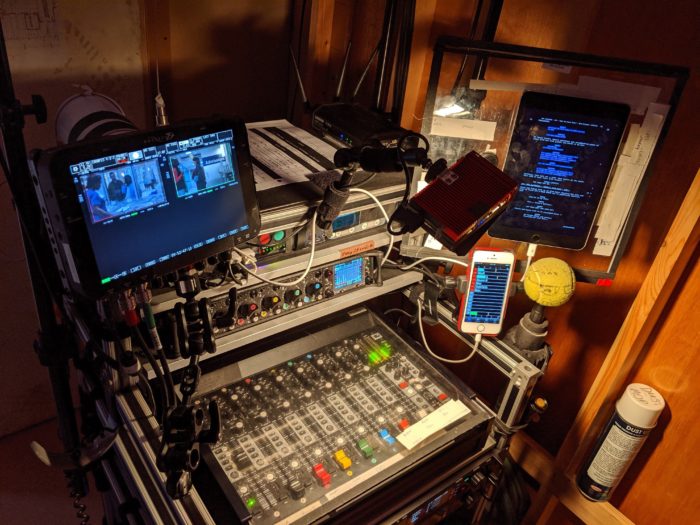
Production Sound Department
This team captures all on-set audio — dialogue, ambient sound, specific actions, and wild lines. Their work determines whether audio is clean, usable, and emotionally grounded.
Roles Include:
-
Production Sound Mixer – Captures and mixes audio on set.
-
Boom Operator – Holds and positions the boom microphone.
-
Utility Sound – Assists with wiring talent, gear, and setups.
Production Design & Art-Related Departments
The Production Designer leads the creation of the film’s physical world — everything you see that isn’t an actor.
This umbrella includes:
-
Set Decoration – Furnishings, décor, small details that define a space.
-
Props (Property Department) – Anything an actor touches or interacts with.
-
Construction – Builds sets, walls, structures, or modifies existing locations.
-
Scenic – Paints, textures, and finishes surfaces to look camera-ready.
These teams define the film’s style, its spaces, and its textures — everything the camera captures that tells story visually.

Special Effects (SFX)
This is the practical effects department. Things happening physically on set, not in the computer. They manage fire, smoke, rain, breakaway objects, bullet hits, gags, atmospheric effects, and more. Their job is to safely create on-set illusions.
Visual Effects (VFX)
VFX is responsible for everything created or enhanced digitally in post-production. This includes CGI, set extensions, green screen work, creatures, environments, clean-up, and digital enhancements. They often collaborate with multiple departments during filming to plan the shots they’ll later complete. Very important to have a member from this department on set when you have visual effects shots.
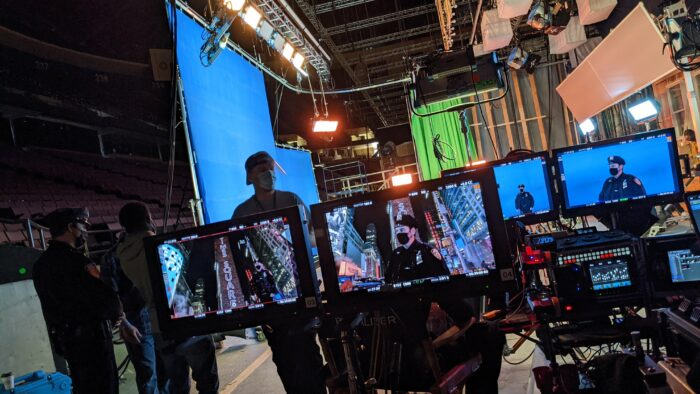
Video Assist / Playback
This department records camera feeds so the director, script supervisor, and producers can review takes immediately. They ensure those that need to see the frame has access to the feed from the camera. If a take needs to be reviewed they help bring up that take to playback the take for the powers that be.
Wardrobe / Costume Department
Costume designers and their teams create the clothing that defines characters and the time period. They manage fittings, continuity, aging/distressing, repairs, and day-of set adjustments.
Hair & Makeup Department
They craft the appearance of the cast, handling everything from camera-perfect natural looks to prosthetics, injuries, wigs, and character transformations. They also maintain continuity throughout filming.
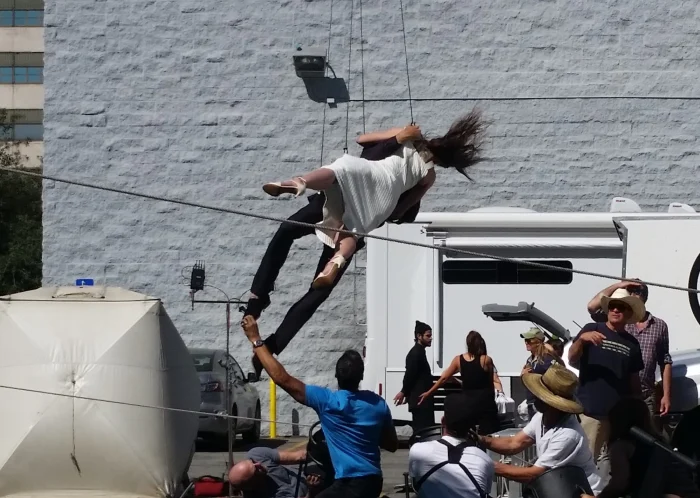
Stunts
Stunt performers and coordinators handle all physical action, fights, falls, driving, wire work, while keeping safety the highest priority. They rehearse extensively and prepare performers and crew for precision action sequences.
Intimacy Coordinator
This role ensures actors’ physical and emotional safety during intimate scenes. They coordinate boundaries, choreography, consent, and communication between cast, director, and production.
Locations Department
Locations finds, secures, and maintains all shooting locations. They negotiate contracts, handle permits, prep spaces, and ensure locations are respected and restored. They work closely with neighbors, businesses, and city officials to keep filming compliant and smooth.
Electric Department
Handles lights, power distribution, and any electrical needs on set.
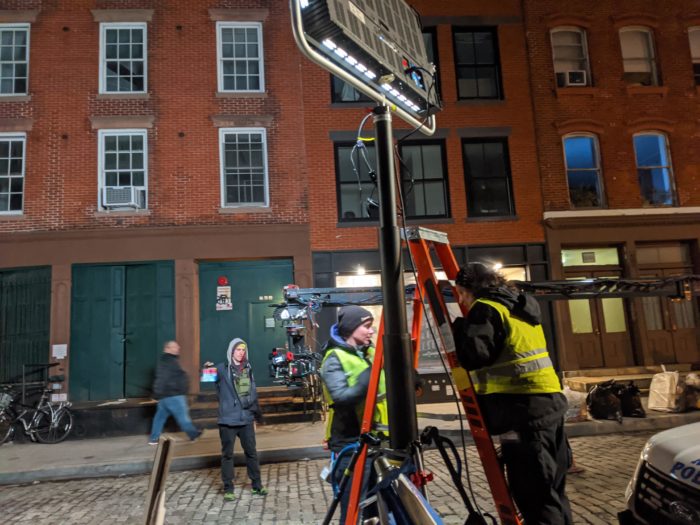
Grip Department
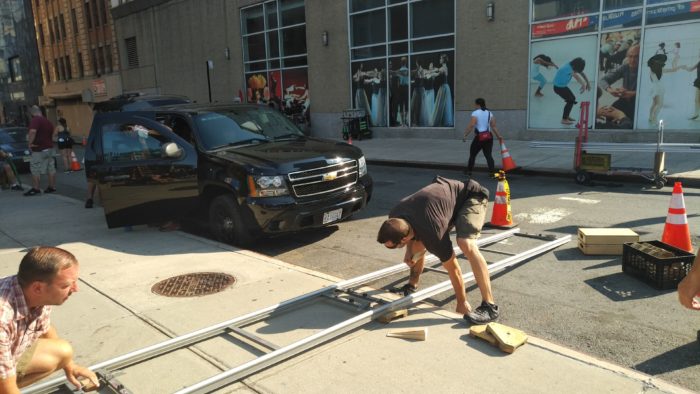
Builds and rigs all the supports for lights, flags, diffusers, rigs for camera movement, dollies, cranes, essentially shaping light and motion.
Transportation Department
Transpo moves everything, people, gear, trucks, trailers, and equipment. They ensure that cast and crew get everywhere they need to be safely and on time.
Catering & Craft Services
Food is fuel on set. Catering handles meals. Craft services maintains snacks, drinks, and small bites throughout the day. Morale is directly tied to these departments more than anyone admits.
Medic / Set Nurse
The medic is responsible for physical health and safety on set. They respond to injuries, heat issues, illness, and preventative care. They’re essential for any safe production.
Editing & Post Production
Post production is where the film truly comes together. Editors shape the story from hours of raw footage, collaborating with the director to craft pacing, tone, and emotional beats. This department also includes color grading, sound editing, ADR, sound design, and final mix. They turn raw material into the finished film audiences see.
Distribution & Marketing
Once the film is completed, this phase determines how it reaches the world. Distribution handles release strategy (theatrical, streaming, festivals), while marketing manages trailers, posters, social content, publicity, and promotional partnerships. This stage is crucial for the film’s visibility and commercial success.
At the end of the day, filmmaking is a massive team sport. There are so many paths, so many skill sets, and so many types of people who come together to bring a single story to life. Whether you’re drawn to creativity, logistics, construction, performance, safety, design, or tech, there’s a place for you in this industry. Every department plays a crucial role, and every personality finds a home. That’s the beauty of film it takes all of us.