
7 Underrated Film Jobs That Can Launch Your Film Career
Underrated Set Jobs That Can Launch Your Film Career
If you’re trying to break into film, everyone tells you to start as a PA. That’s true, but most beginners start on general set duties and get lost in the shuffle. The key is to find roles that are hands-on, visible, and teach you the ropes of the department you want to grow in.
When people say they want to work in film, they usually name the same jobs: director, writer, cinematographer, producer. And while those are valid goals, they’re not the most realistic entry points for most newcomers.
I know you’ve probably heard the Set PA is the entry level job to everything, but it’s not the only kind PA you can work as. Not everyone wants to end up in the AD department (Set PA is a direct line to becoming an AD.) There are a lot of departments when it come to film and a lot of the time most new to film have no idea they exist.
These are the positions most newcomers overlook, but the ones that can actually accelerate your career.
1. Art PA
Art PAs work in the art department, helping with props, set dressing, and organizing the department’s workflow. You’ll handle the hands-on creative side of building the world on screen.
Why it’s valuable: You gain insight into production design, get noticed by creative department heads, and often have a clear path to promotion within the art department. This position can be tough, but they always get to work with fun stuff!

2. Office PA
Office PAs help with all things in the Production office. You’ll be helping the Production Coordinator with what needs to get done. And this could range from set runs, to the office lunch orders, to setting up the conference room for the next concept meeting.
Many people don’t even know the production office even exists, but it’s what makes things go for the whole production. While it’s less glamorous, it’s essential for keeping a production organized.
Why it’s valuable: You learn how a production functions behind the scenes, build relationships with producers and coordinators, and demonstrate reliability, which is how many office PAs transition into bigger production office roles, and even on set positions to writing or producer assistant positions.

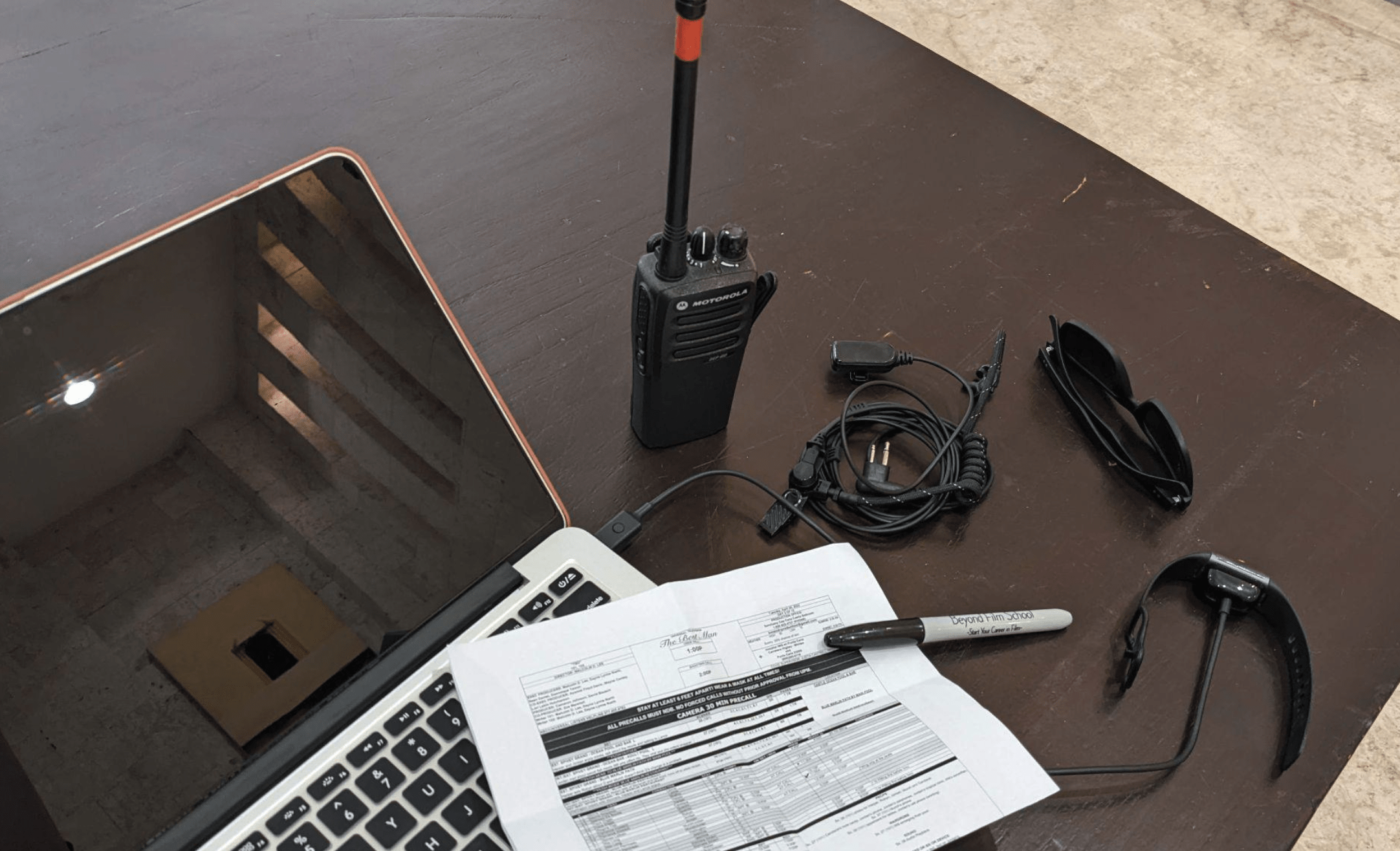
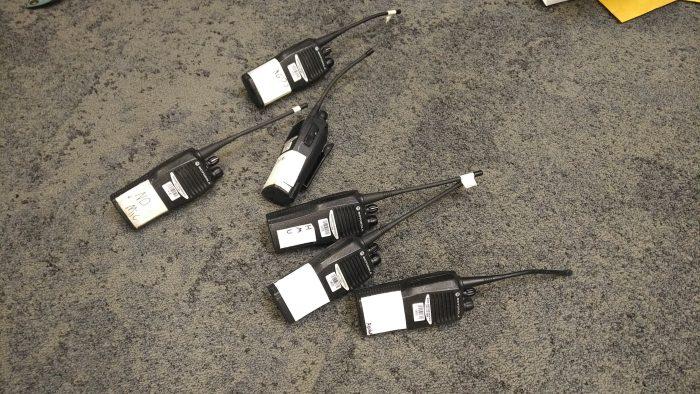
3. Walkie PA
Walkie PAs manage the walkies on set, but they’re also the right hand to the Key PA. The hold is to become a Key PA in training. If you get offered this position -DO IT!
Why it’s valuable: You gain a bird’s-eye view of set operations, learn the flow of information, and get recognized by multiple departments. Reliability here gets you noticed quickly. People really notice a really great walkie PA.
4. Unit PA (Locations Department)
Unit PAs support the locations Departments. They would be the one helping with the holding area, they also make sure the garbage doesn’t get out of control in catering/holding. They help set up holding as well. May not be the most glamorous job, but if you can be dope at that position you’ll move up quickly!
Why it’s valuable: Locations are the backbone of every shoot. They hold the keys to the kingdom. It does get you working on set, and does expose you to loads of different people on set which can lead to other departments if that is what you want. Or of course you can climb the locations ladder.
5. Rental House Assistant
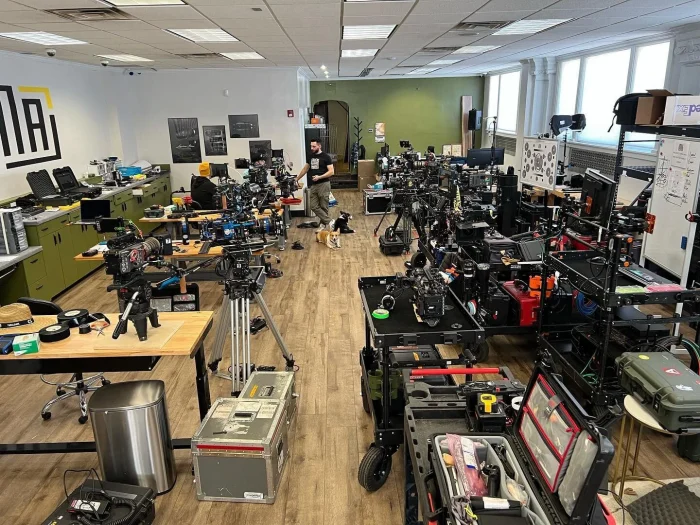
A lot of people forget about this option. Working at a rental house is not easy, but it’s a gateway to camera, grip, and electric positions. You’ll learn the gear intimately (and if you know gear you become valuable on set, it half the battle when it comes to certain positions) and meet DPs, gaffers, electricians, and grips who come to trust you before they hire you on set.
Why it’s valuable: Familiarity with equipment is a massive advantage, and your connections here often lead to higher-level technical roles.
6. Cast Personal Assistant
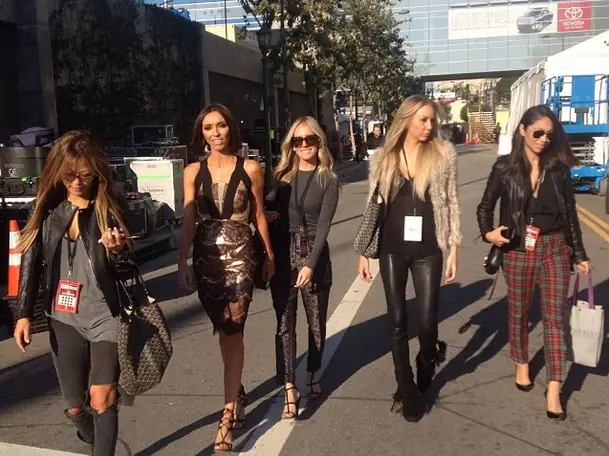
I avoided this position like the plague, but for others it’s their ideal role. Personal assistants work directly with talent, managing schedules and ensuring actors’ needs are met without interfering with the set workflow. It gets you around of lot of folks that deal with cast so it can lead anywhere – just don’t get stuck there. you need to stay intentional with this position.
Why it’s valuable: Discretion and reliability here build relationships with both talent and producers. This could lead to traveling with them where they go – you can see the world. Also if the cast member you’re working for is looking out for you they will lend you a hand in getting something you’re working on off the ground. I’ve heard it happen. If they offer their help cash in on the offer!!! DOn’t second guess yourself and not take them up on their offer.
7. Crafty Assistant
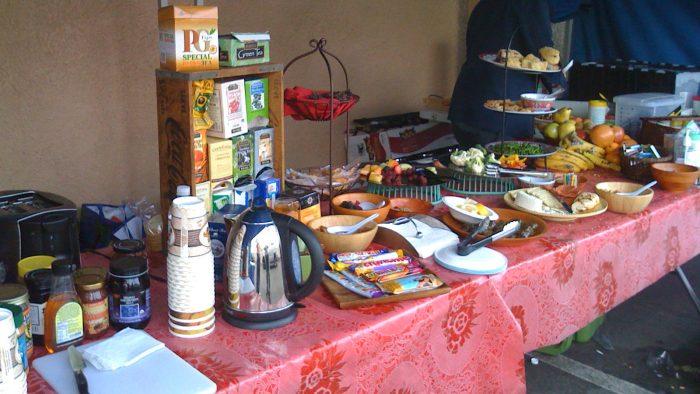
Crafty assistants help manage the craft services table, including setting up food and drinks for the crew. It might seem small, but it’s one of the most visible jobs on set because everyone interacts with you. Do not take this job lightly! People get very serious about the crafty table. If people aren’t satisfied they WILL tell you. If they are they will be the nicest people to you.
Why it’s valuable: You build instant rapport with every department while demonstrating reliability, organization, and a positive attitude. Good crafty assistants often get recommended for other PA roles or department positions because they’ve proven they can handle responsibility and keep the crew happy.
The Bottom Line
Being a PA isn’t just about doing grunt work. Picking the right PA position can teach you department-specific skills, get you noticed by key decision-makers, and open doors to career opportunities you wouldn’t access otherwise.
Don’t settle for the general Set PA grind. Seek roles that teach, connect, and expose you to how production really works. Whether it’s in art, office, locations, rental houses, or crafty, the relationships and skills you gain in these underrated positions will follow you throughout your career.
| PA Role | Learning Potential | Networking Potential | Notes |
|---|---|---|---|
| Art PA | High | Medium | Hands-on with set design, props, and department workflow. Strong stepping stone in art/props. |
| Office PA | Medium | High | Learn production logistics, emails, call sheets. Access to producers and coordinators. |
| Walkie PA | Medium-High | High | See overall set operations; interact with multiple departments daily. |
| Unit PA (Locations) | Medium | Medium-High | Learn how the locations department works, noticeable if you solve problems efficiently. |
| Rental House Assistant | High | Medium | Learn technical equipment, meet grips, gaffers, and DPs; good path into camera/electric. |
| Cast Personal Assistant | Medium | Very High | Close access to talent and producers; networking gold if you’re reliable and discreet. |
| Crafty Assistant | Medium | High | Visible to every department; shows organization, reliability, and positive attitude; can lead to other PA or department roles. |